
Last Updated on January 31, 2024 by Dr. Ashley Söderlund
Better ways to praise your child help build their inner confidence and motivation. Overpraising or praising how smart your child is can undermine natural motivation. Here are some better ways to praise your child’s efforts and achievements.
You may have heard how overpraising your kids can lead to their inability to handle failure, less motivation, and even an inflated sense of self (or worse, narcissism), which is the opposite of what you hope to do — build their internal motivation and self-esteem.
There are even better ways to praise based on the science of growth mindset that build your child’s internal motivation to work hard and succeed.
1. A Better Way To Praise: Encourage Your Child With Gestures
In one study, researchers looked at how kindergarteners were praised. Here is what they found:
- Children who were “trait” praised (e.g., you are a good drawer/you are smart/you are artistic) were the least motivated on a task and showed less enjoyment for the task.
- Children praised for their effort (e.g., you worked hard on that drawing) or given ambiguous praise (e.g., Wow! or High-Five) showed higher task enjoyment and persistence, even after task errors.
In other words, ambiguous praise worked just as well as praising a child’s effort.
Children attributed a high-five or a “Wow!” to their hard work.
Not only that, but the children who felt the most positive about themselves and their drawings were the ones who received the gestural praises — the thumbs up or the high five.

This makes so much sense. When you see your child finally persevere or accomplish something, you are happy for them, and you want to celebrate. Saying “High-Five” and holding your hand with a big smile are signs of genuine pride and encouragement.
Gestural praise helps us celebrate the moment with them.
With an enthusiastic high five, we join them in their success instead of simply recognizing it. When we do this — we aren’t necessarily praising our kids, we are encouraging them. It is a subtle but important difference. It turns out that the best way to boost our kids isn’t what we say to them but rather celebrating with them in the moment.
So, next time your child accomplishes something, join in the fun and give them a big high five!!!
2. A Better Way To Praise: Ask Your Child How They Feel When They Persevere
The next time your child accomplishes something — especially something they worked hard on and you see that they are feeling proud of themselves, say — “How do you feel right now?”
Reflecting on how it feels to accomplish something helps to counterbalance the brain’s negativity bias.
We wouldn’t have survived as a species if we hadn’t become especially attuned to learning from our mistakes and paying attention to negative emotions. We notice when we fail, and we notice when we feel bad.
Our kids are the same. It hurts us to see our kids be hard on themselves, but if we look inside ourselves, we’ll find it relatable.
So, how do you help balance that focus on the negative? By pointing out the good. It is just as important to take note when we do something well. But, instead of overpraising our kids, simply notice when they feel proud of themselves and help them notice that.
When you know your child feels that sense of accomplishment, help them notice it. Ask them to describe that feeling —
“How do you feel right now?”
“What does it feel like to have worked through something hard?”
“How does it feel to overcome something like that? Can you describe what you are feeling?
How do you feel about accomplishing your goal?
And then — the next time they want to give up or feel like something is too hard– remind them of how it felt when they pushed through something hard before. The memory of that feeling will make accomplishments much more meaningful than any external praise or reward.
Over time, those good feelings associated with accomplishment will become a part of your child’s sense of self. And they will think to themselves: I can do hard things, I can face my fear, I can work through things that feel overwhelming, I can persevere.
That is exactly what we want for our kids. Don’t be afraid to celebrate those successes — give your child all the high-fives, and always point out when they might be feeling proud.
Books On Growth Mindset, Perseverance, and Believing in Yourself
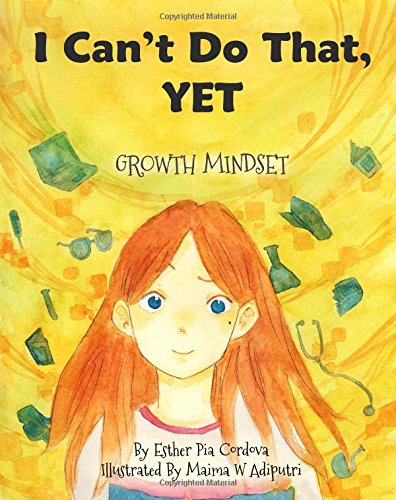
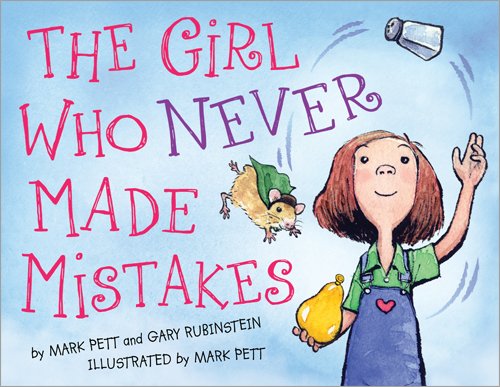
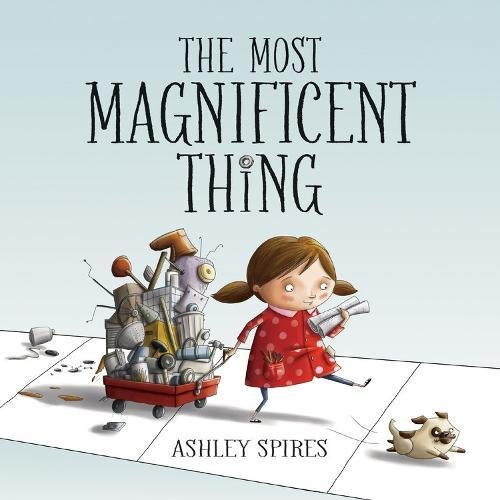
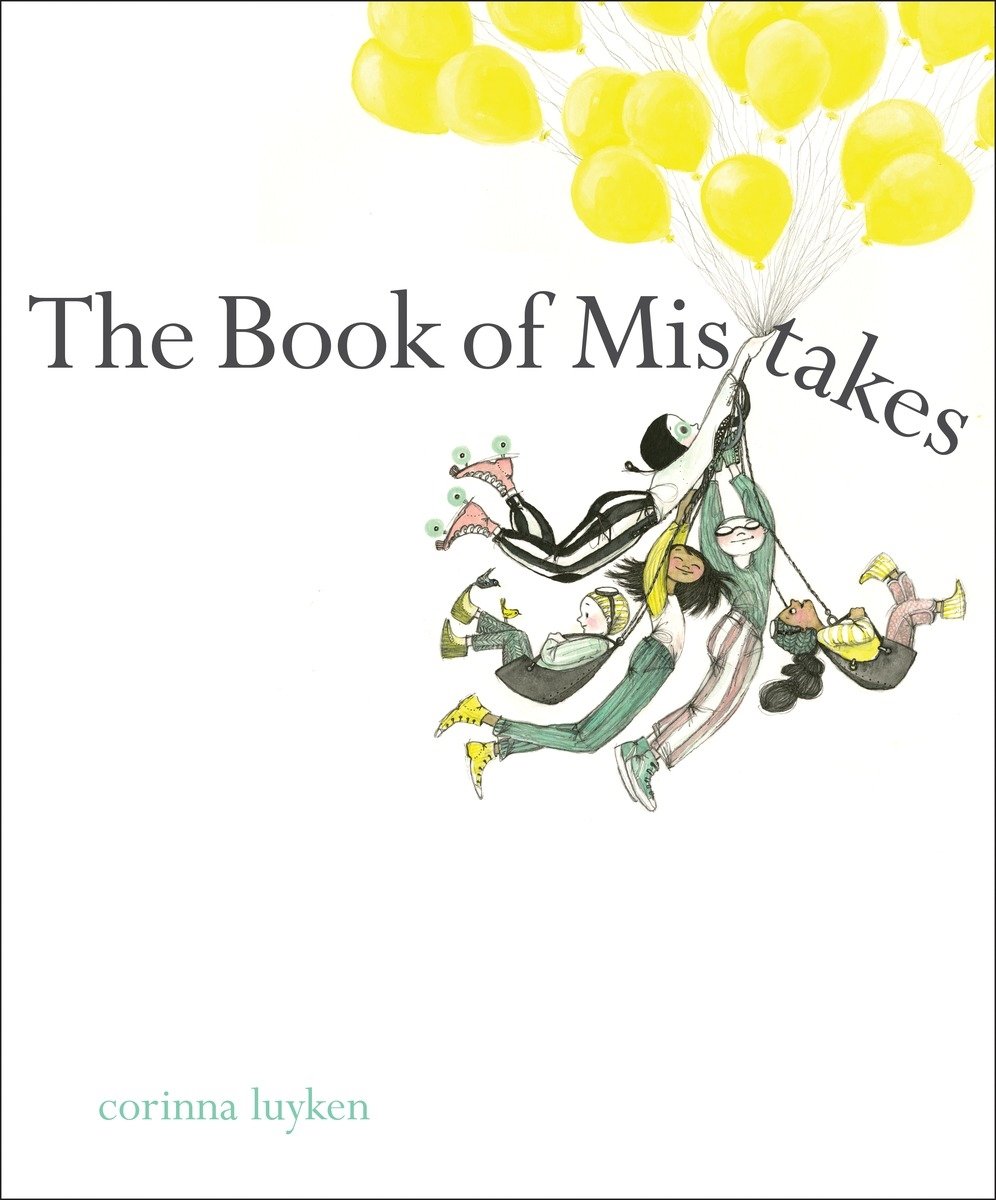
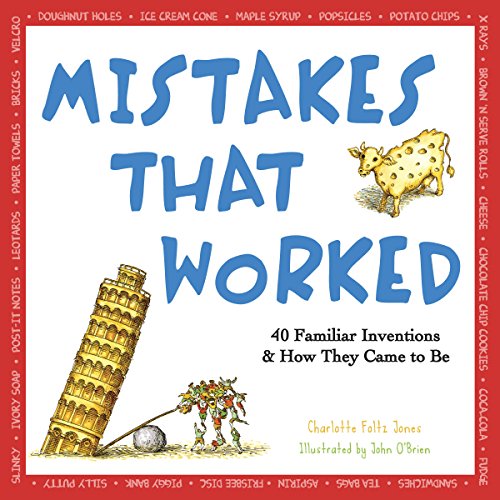
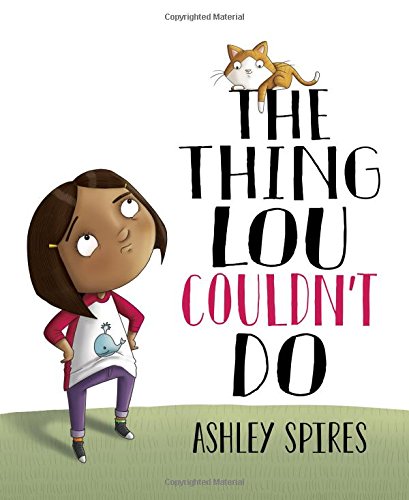
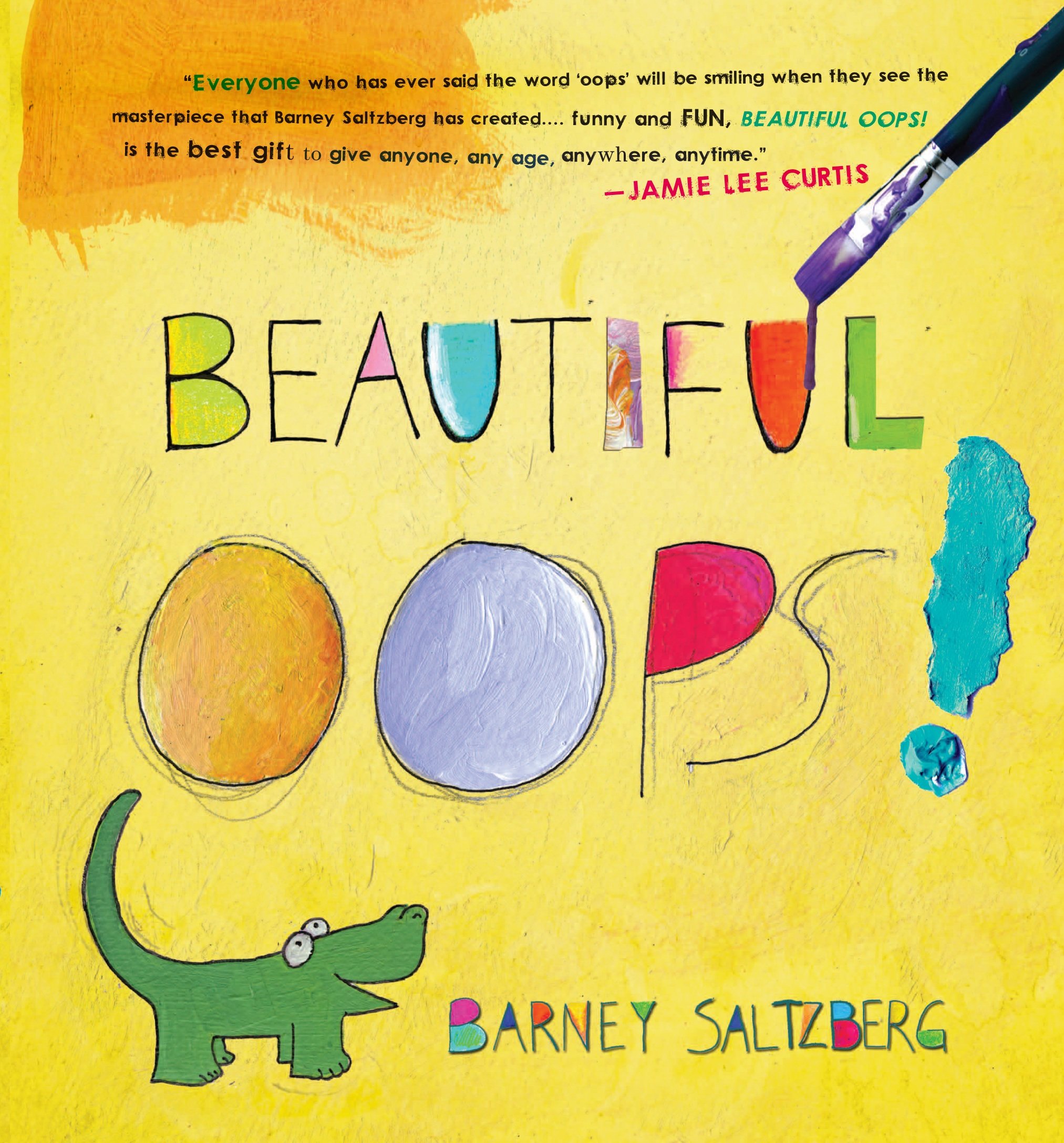
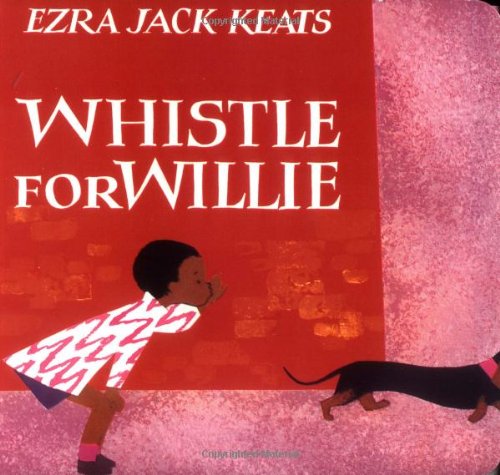
I Can’t Do That, YET: Growth Mindset The Girl Who Never Made MistakesThe Most Magnificent ThingThe Girl Who Thought in Pictures: The Story of Dr. Temple GrandinThe Book of MistakesAfter the Fall (How Humpty Dumpty Got Back Up Again)Mistakes that Worked: 40 Familiar Inventions & How They Came to BeThe Thing Lou Couldn’t DoBeautiful Oops!Peter Reynolds Creatrilogy Box Set (Dot, Ish, Sky Color)Whistle for WillieUnstoppable Me!: 10 Ways to Soar Through LifeRosie Revere’s Big Project Book for Bold Engineers



3. A Better Way to Praise: Talk about Effort and the Brain
One way to help children understand growth mindset is to tell them their brain is growing when something is hard to understand or learn. Explain that the brain is like a muscle that grows stronger and smarter when it learns something new, especially something challenging (source).
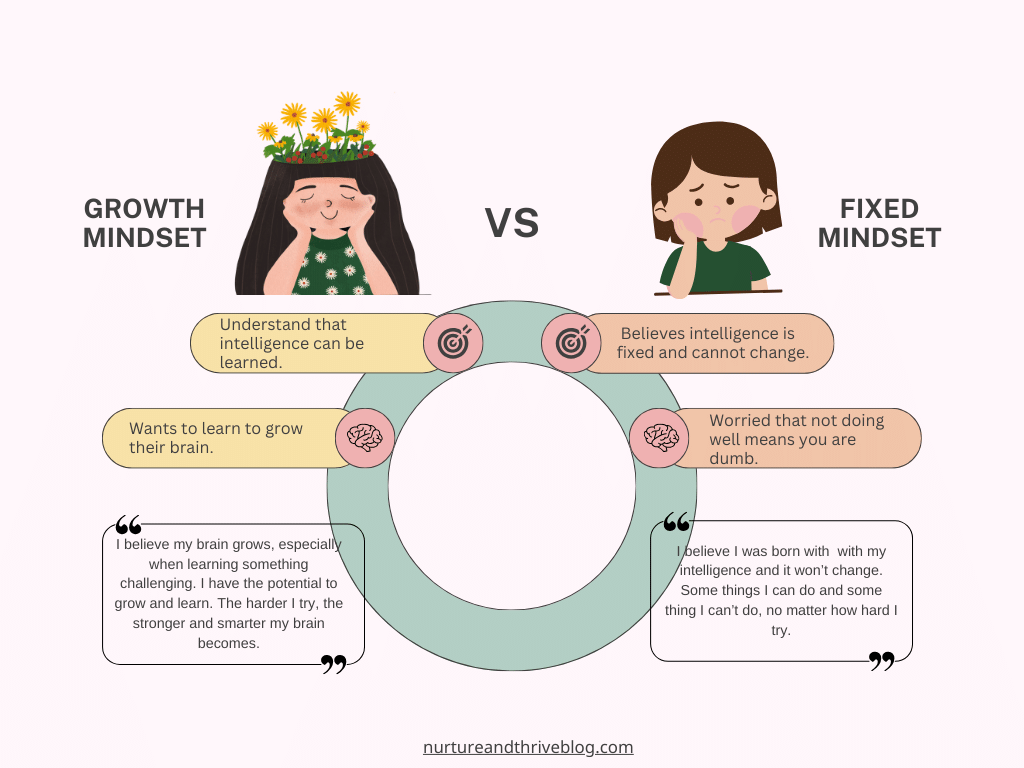
The important thing is that children understand how smart they are is not something that they are born with that remains unchanged or fixed, but rather is something that will grow as they learn — especially when learning is challenging and takes effort. This is especially important for middle school and high school-aged kids.
According to Dr. Carol Dweck, the founder of growth mindset, praising effort rather than talent is important for raising resilient and adaptive children. Some examples (source: Growth Mindset Institute, Growth Mindset Parenting).
TALENT PRAISE
Well done, you’re really smart.
Wow, you got an A.
You nailed it – you’re a natural.
EFFORT PRAISE
Well done, I noticed how much you practiced.
What did you find helped you to do so well?
Great, what did you find most difficult to learn?



What to do next…
1. Get advice from Dr. Ashley Soderlund sent right to your inbox. ❤︎
2. Emotional and mental wellness begins at home.
Get the tools you need in my shop! You can instantly download and print digital printables to foster connection, emotion regulation, and more! Check out the Nurture and Thrive Shop.

 The Ultimate Playlist for a Smoother Day with your Toddler
Love this. We a are BIG High Five Family. lol Thanks for sharing at the Marvelous Monday Link up!
I love this! High fives are awesome! 🙂
Love it. My daughter always giggles when given a high five.
Thanks for linking up to Marvelous Monday on Smart Party Planning.
Cool. I never though about different kinds of praise having a different effect. Time for more high fives!
We use thumbs up and high fives all the time!
Good! We do too, I think it is a natural thing and it’s good to know they attribute it their effort!
I’d not thought about it before but I think this is true, when I give my children a high 5 for praise, the smiles on their faces are much greater than when I just say the picture is good.
Thanks for linking #LetKidsBeKids
I know! I was so excited when I found out about this research bc the same is true in our house.
What a great article, I never thought about this before! Thanks for the sharing thorough research and insight!
Thank you Steph!
So glad we’ve crossed paths! So glad you joined us for Tuesday Talk~
Elizabeth
allkindsofthingsblog.com
Home of “Tuesday Talk” and “Pincrazy Thursday”
My grandchildren love high fives! I will have to give them even more! It was great to see you at the Thursday Favorite Things Blog Hop!
Debi
We are always giving high fives in our house! Thanks for linking up at the Thoughtful Spot Weekly Blog Hop! We hope you join us again next week!